Featured
Table of Contents
: Consider your site as your digital head office. It's the central repository for your professional journey and achievements. For example, a graphic designer may include a gallery of their work, comprehensive case research studies, and client reviews. This not only showcases their abilities however also develops reliability with possible clients.
: Frequently updated blogs can position you as an idea leader in your field. By trends, case research studies, or how-to guides, you offer worth to your visitors while enhancing your visibility in search engine results. 3.: Platforms like LinkedIn, Twitter, and Instagram use unique. LinkedIn is ideal for expert networking and sharing industry-related content, while Instagram can be a visual portfolio, and Twitter can serve to share fast thoughts or updates, take part in industry conversations, or perhaps offer client service.
This information can inform decisions about material strategy, design modifications, and more. If a particular blog site post is bring in a lot of traffic, consider producing more material on that subject or associated subjects.
Usage relevant keywords, meta descriptions, and alt text for images to improve your search rankings. By integrating these aspects, you create a cohesive digital existence that not just displays your work however likewise engages and grows your audience.
Keep it upgraded, relevant, and reflective of the worth you give your market. Leveraging Sites and Social Media - Showcase your portfolio: The Entrepreneur s Guide to Showcasing Your Portfolio Efficiently In the world of entrepreneurship, the voice of the client is a powerful testimony to the quality and effect of your work.
Essential Business Tips for Your High-Value Professional Portfolio
This sector explores the art of weaving customer feedback into your portfolio, transforming it from a simple collection of accomplishments into a story that resonates with potential customers and partners. 1.: Authentic client reviews work as social evidence, verifying your proficiency and outcomes. A web designer might include a review from a satisfied customer whose website overhaul resulted in a 50% increase in traffic.
: Incorporate feedback from a variety of customers to showcase flexibility. An independent writer could show testimonials from various industries, highlighting adaptability and breadth of ability. 3.: Detail how your services fixed a specific issue. A marketing specialist might share a case research study where their methods broadened a customer's market reach by 30%.
: Whenever possible, consist of metrics and data in feedback to measure your effect. For example, an app developer could feature an evaluation pointing out the user retention rate improvement after their app redesign. 5.: Pair reviews with visual evidence of your work to reinforce reliability. An interior designer can reveal before-and-after images alongside a client's radiant evaluation.
: Emphasize reviews that talk to your problem-solving capabilities. A project manager may consist of feedback on how they navigated a job back on track after unpredicted obstacles. By tactically picking and providing feedback, you turn your portfolio into an engaging story of success and fulfillment that speaks volumes to potential customers.
Key Takeaways From User Experience Case StudiesEssential Portfolio Tips to Build a High-Value Professional Profile
This technique not just showcases your accomplishments however also constructs trust with those considering your services. Integrating Client Point Of Views - Display your portfolio: The Business owner s Guide to Showcasing Your Portfolio Efficiently In the vibrant landscape of entrepreneurship, the advancement of your accomplishments is as important as the initial success.
This not just functions as a testimony to your resilience and versatility however likewise showcases your dedication to excellence and knowing. A well-kept portfolio is a narrative of progress, a canvas where each new achievement adds depth and perspective to your professional story. - Aim to upgrade your portfolio a minimum of or after the completion of a considerable job.
- Integrate feedback from clients or peers that confirm to your know-how and effective project shipment. - Curate reviews that speak to your strengths and line up with the services you want to promote.
Identifying Common Blocks of the CRO Funnel
- Guarantee the visual elements follow your branding and enhance the general visual of your portfolio. - Share insights acquired from each experience, emphasizing how it added to your expert development. - Discuss how past turning points are stepping stones towards future objectives, showing a trajectory of constant development.
Provide a narrative that catches the essence of the work that resulted in this honor. Go over the innovative techniques you took, the impact on your service, and how it places you for future ventures. This approach not only notifies but also motivates your audience, providing a window into your devotion and tactical thinking.
Each update is an opportunity to reinforce your brand's message and declare your position as a forward-thinking leader in your industry. After providing your portfolio, it's important to engage in a strategic follow-up to maintain the momentum and profit from the interest produced. This involves a diverse approach that not only reinforces your brand but likewise opens doors to future chances.
Steps for Launching An Innovative Marketing Roadmap
2.: Use the display as a springboard to connect with industry peers. After a photography portfolio presentation, follow up with participants by connecting on professional networks like LinkedIn.
: determine areas for enhancement. Suppose your portfolio consisted of graphic design work; you may take an advanced course in typography based on the feedback received. 4.: Frequently refresh your portfolio. If you're a software application designer, update your portfolio with new projects or technologies you've mastered considering that the showcase. 5.
A writer might begin a blog series diving deeper into the stories behind their showcased pieces. 6.: Follow up with prospective clients or employers. After an architectural portfolio evaluation, send personalized e-mails to prospects talking about prospective collaborations. By taking these actions, you guarantee that your portfolio continues to be a dynamic representation of your work and a tool for professional growth.
How Actionable Testing Improves Online Conversion Rates
Next Steps After Showcasing Your Portfolio - Showcase your portfolio: The Entrepreneur s Guide to Showcasing Your Portfolio Successfully.
Designing an engaging business portfolio is comparable to creating a roadmap for your business's success it requires cautious preparation, strategic thinking and atouch of imagination. Here's a step-by-step guide to assist you craft a company portfolio that aligns seamlessly with your mission and sets you on the path to sustained competitiveness.
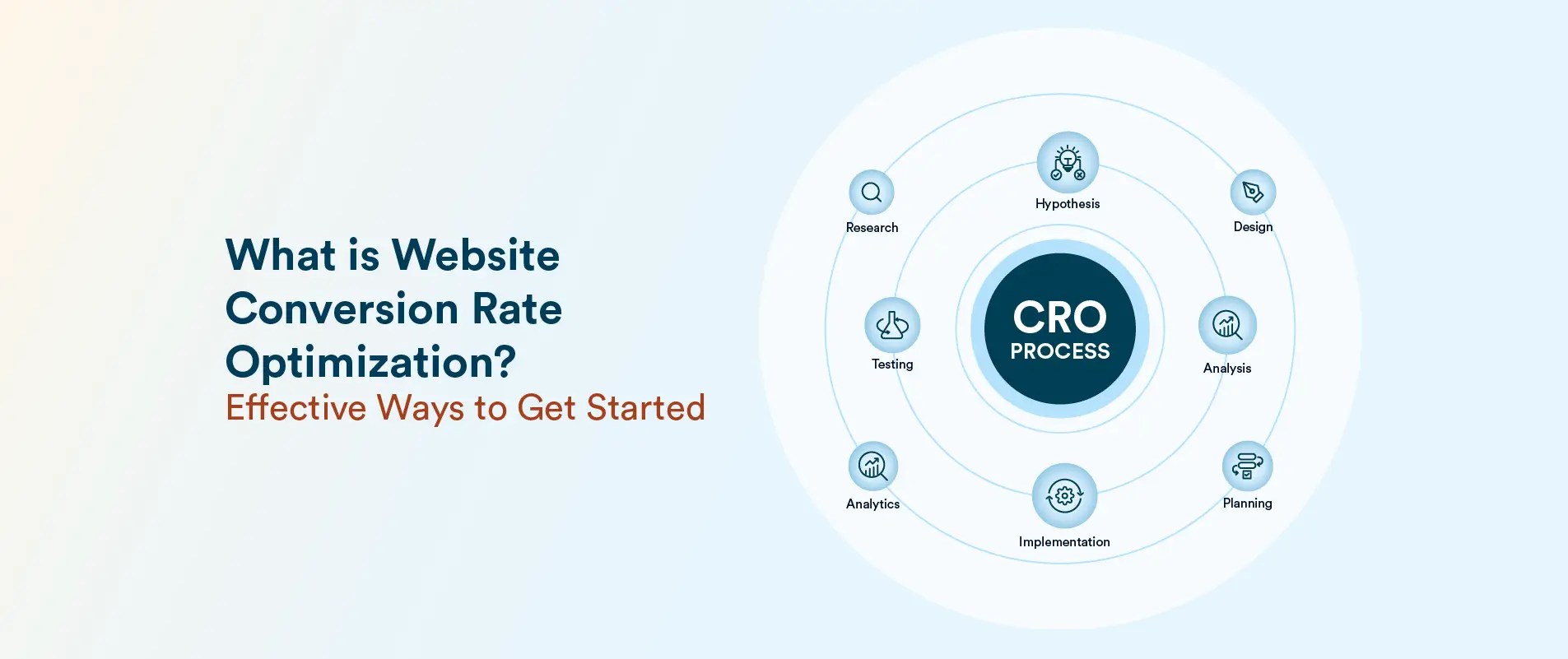
This fundamental step sets the tone for the entire portfolio, making sure every component aligns with your strategic instructions. Categorise your offerings into tactical organization units (SBUs).

Latest Posts
Mastering Corporate Reputation for Future Success
Successful Media Relations Tactics to Gain Exposure
Is Your Reputation Ready for Modern PR?